EXPLORE

Article

When Jewish People Are Afraid to Be Seen

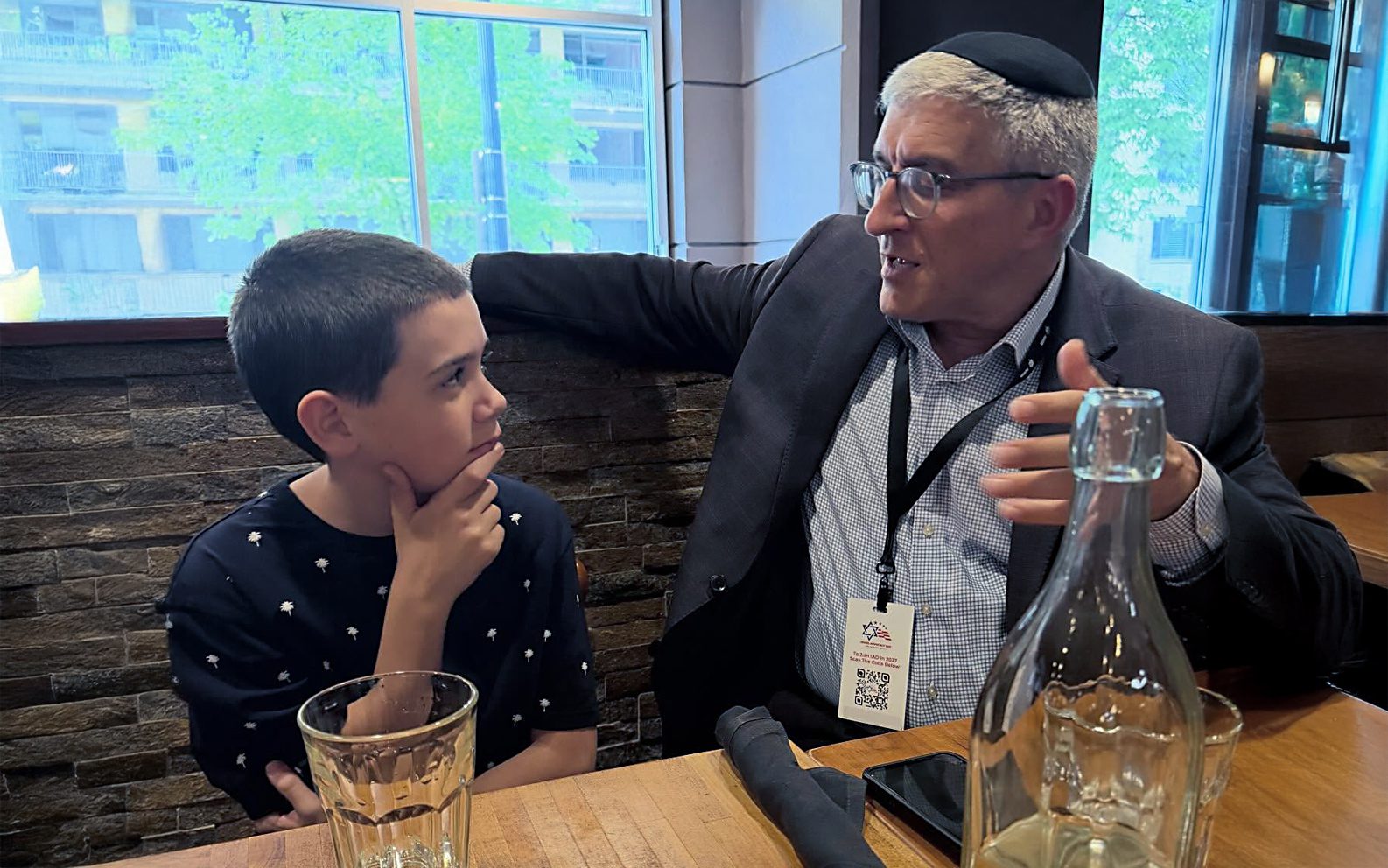
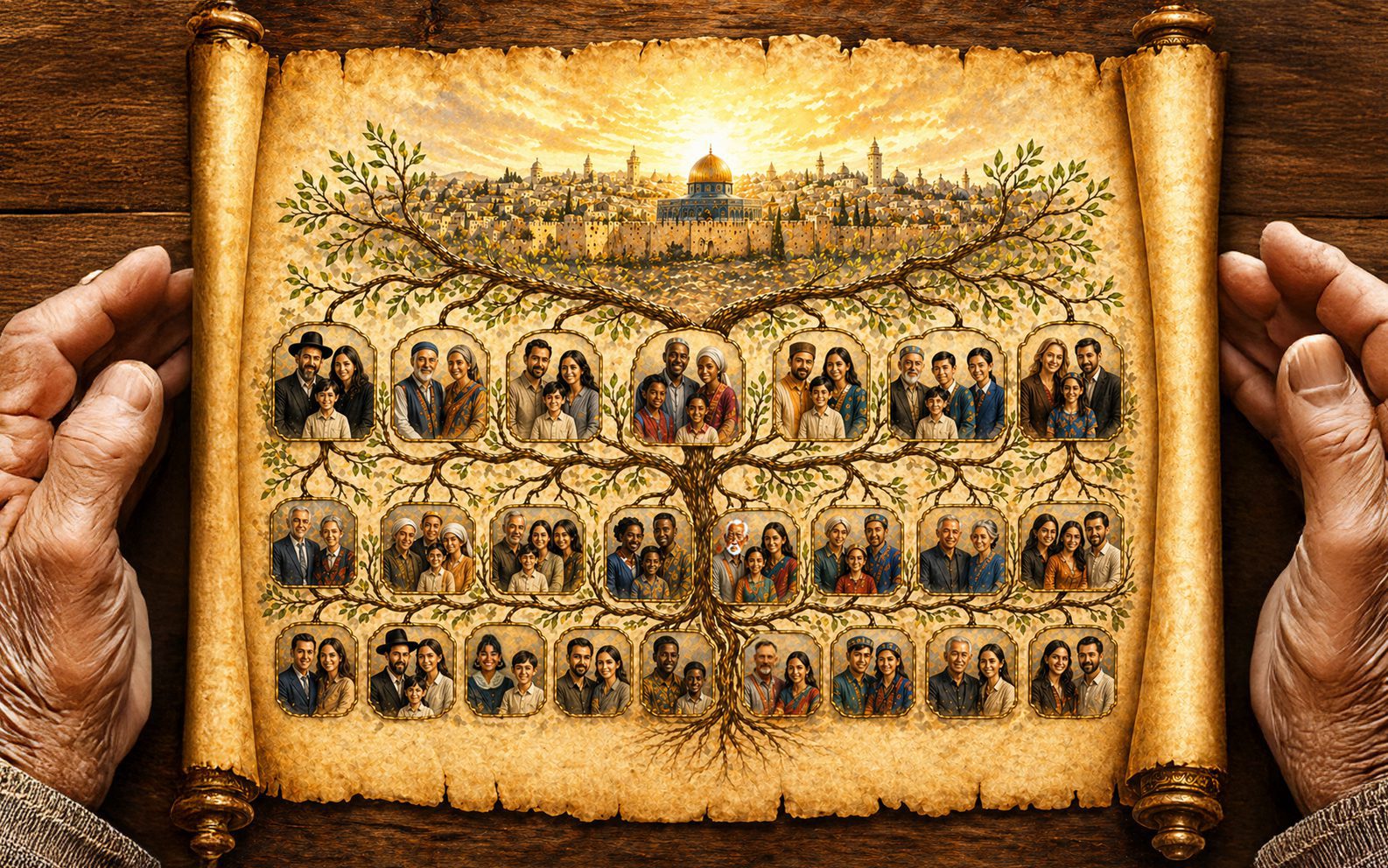
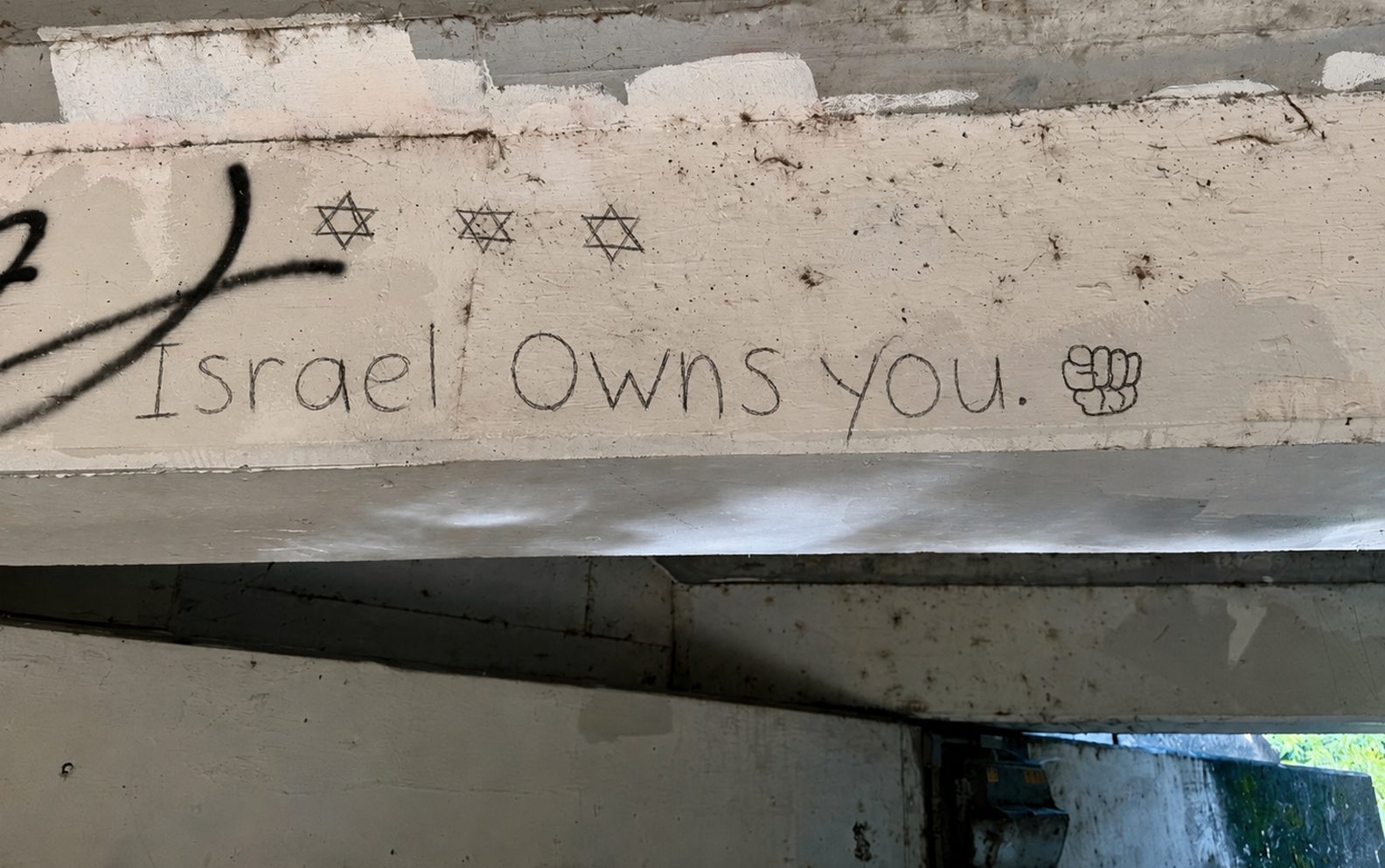
One of the most troubling moral realities of our time is that society increasingly makes Jewish people feel unsafe simply for being visible. A person wearing a kippah, a Star of David, speaking Hebrew, or simply being perceived as Jewish may be mocked, stared down, cursed at, or ridiculed in ordinary public spaces. Restaurants, sidewalks, campuses, neighborhoods, and community events have become places where some Jewish families feel exposed rather than protected. This should deeply concern the church. This issue is not only about Israel as a nation. It is about Jewish people as human beings made in the image of God. No person should have to hide who they are in order to eat a meal, walk with their children, attend school, or move

Read More »
Article

Are Jews Colonizers to the Land of Israel?

In today’s debates about Israel, pastors are hearing phrases that sound persuasive but often carry serious historical problems. One of the most common is the claim that Jews are “settler colonizers” with no true connection to the land of Israel. In a time when war, protests, rising antisemitism, and global arguments over Israel’s legitimacy fill the news, pastors need more than slogans. They need careful, truthful, and pastoral clarity. The question of Jewish indigeneity is not merely political. It is historical, moral, legal, and for Christians, deeply biblical. To say that the Jewish people are indigenous to the land of Israel does not mean every modern Israeli policy is beyond criticism. It does not mean Christians should ignore Palestinian suffering or the complexity of the

Read More »
Article

If Israel Was Israel When God Judged Her, Why Is She No Longer Israel When God Promises to Restore Her?

A growing refrain in Christian teaching today is that ethnic Israel belongs to the past, while spiritual Israel belongs to the present. The Jews of the Old Covenant are often reduced to misrepresentations of Pharisees and failure. They disobeyed and therefore inherited judgment. The Church, we are told, succeeded where Israel failed and therefore inherited the promises. It sounds clean. It sounds theological. But when you read the Bible, a troubling pattern emerges. Israel is treated as one people when she is judged, scattered, and disciplined, yet suddenly becomes two different Israels when God begins to speak of restoration, mercy, and future hope. That shift is difficult to locate in the text itself and seems to arise more from our interpretive assumptions.  Scripture itself does

Read More »
Article

Why Zechariah Helps Christians Think About Jerusalem

In a season when Jerusalem is again appearing in headlines because of war, missile threats, diplomatic strain, and public debate, many pastors are asking how the church should think and speak about the city. Some believers respond with strong certainty, treating every development as though its meaning were obvious. Others avoid the subject altogether, assuming it is too controversial or politically charged to handle with care. Zechariah helps the church take a better path by teaching us to think about Jerusalem with hope, seriousness, and humility. Zechariah spoke into a time of restoration after exile, when the people of God were small, vulnerable, and uncertain about the future. Jerusalem was not a symbol of worldly strength. It was a city marked by weakness, fragility, and

Read More »
If You’re Tired You Might Be Out of Sync Blog
Article

If You’re Tired, You Might Be Out of Sync: Finding Rest in the Rhythms of Heaven

The modern Church is exhausted. We’re scrambling for relevance, clinging to dwindling numbers, and watching in grief as the next generation deconstructs their faith. Pastors fall. Movements fade. Parents and grandparents whisper desperate prayers, hoping Sunday school and VBS were enough to anchor their children in a faith that no longer seems to hold their attention. In response, churches turn to strategy. Sleeker videos. More lights. Better marketing. Cooler music. But what if the solution isn’t about getting younger or trendier? What if the deepest ache in this generation isn’t for relevance — but for rhythm? People aren’t leaving the Church because they’re looking for innovation. They’re leaving because they long for something ancient. Something authentic. Something sacred. The world doesn’t need another performance. It’s looking

Read More »
I Was Headed to Israel as Iran Attacked 3
Article

I Was Headed to Israel as Iran Attacked

Last week, I boarded a flight to Israel. About halfway through the trip, I woke up to a text from a friend: “Israel just attacked Iran’s nuclear facility. The country is in a state of emergency, and we’re waiting for Iran’s retaliation.” Still half-asleep, I didn’t grasp the weight of what she was saying. She added, “This is big. This time is different.” But in my mind, it was just a hiccup. A minor setback. Something I could figure out once I landed. Surely Iran’s response won’t be right away. Then the pilot made the announcement: the Israeli airspace had been closed. We were turning around. That’s when reality hit. The disappointment was sharp. I’d been looking forward to this trip for months. It felt like the ground

Read More »
Food-Distribution-Gaza
Article

Israel’s War in Gaza: Progress, Aid, and International Pressure

1. Israel’s Operations in Gaza: From Swords of Iron to Gideon’s Chariots Israel’s response to the October 7th attacks unfolded in two phases. The first, Operation Swords of Iron, launched on October 7, 2023, was a swift, forceful effort to neutralize Hamas as an immediate threat. The second, Operation Gideon’s Chariots, began on May 16, 2025, marking a shift from immediate retaliation to a long-term strategy to dismantle Hamas’s grip on Gaza. Israel’s objectives remain the same: rescue the hostages, establish operational control, and defeat Hamas so it can never again carry out such atrocities. Gideon’s Chariots focuses on preventing Hamas from using international aid to sustain its terror infrastructure. 2. Humanitarian Aid: Complications and Hamas’s Exploitation Humanitarian aid to Gaza has been a consistent

Read More »
Yaron Lischinsky and Sarah Lynn Milgrim
Article

The Face of Yaron Lischinsky

Today has been a hard day. I woke up to the news of a shooting in Washington, D.C., that killed two Israeli Embassy staffers. Having worked with the embassy on different projects, my mind began to race with possibilities. When I saw the picture of the young couple, my heart sank. Though I didn’t immediately recognize their names, the young man’s face seemed to recall a memory. I racked my brain, trying to pinpoint where I had seen him before and trying figure out if we had had any previous interactions. After receiving a text from a colleague, I suddenly realized where I had seen his face––the Children’s Memorial at Yad Vashem, the Holocaust museum in Jerusalem. I broke and began to weep. In February

Read More »
Pastors overlooking Jerusalem with hands raised
Article

Israel’s Suffering: Three Responses

On the morning of October 7th, the terrorist organization, Hamas, staged a deadly surprise attack against Israel. They launched rockets into Israel and simultaneously infiltrated the border, murdering, raping, and kidnapping. Unimaginable horrors happened that day and have continued to happen in the terrorist tunnels under Gaza. Israel’s Prime Minister, Benjamin Netanyahu, succinctly described the situation the next day, saying, “We are at war.” In the wake of such violent hatred, what should we Christians do? When Israel faces dire straits such as these, there are three basic responses: enjoyment, indifference, and engagement. Though it may seem unthinkable that I listed enjoyment as an option, scripture clearly reveals that at times of Israel’s distress, there are nations and people who actually enjoy seeing her writhe

Read More »
Israel Map
Article

Understanding the Players: Hamas, Hezbollah, and the Houthis

Why the conflict in Israel isn’t just local and why Christians need to understand who’s involved. Many Christians want to understand what’s really going on in the Middle East beyond headlines and surface-level takes. But the conflict isn’t just about land. It’s about ideology, power, and networks of groups whose goals are not peace or coexistence, but domination and destruction. To understand what’s happening, we need to understand the players. This isn’t an exhaustive breakdown. But if you’ve heard names like Hamas, Hezbollah, or the Houthis and aren’t sure who they are or what they want, here’s what you need to know. Hamas (Gaza) Hamas is a violent Sunni Muslim group that controls the Gaza Strip. It was started in 1987 during the First Intifada,

Read More »

Ready for More?

Translate »
Your Info
Primary Role
Church / Ministry Address
Marketing email consent