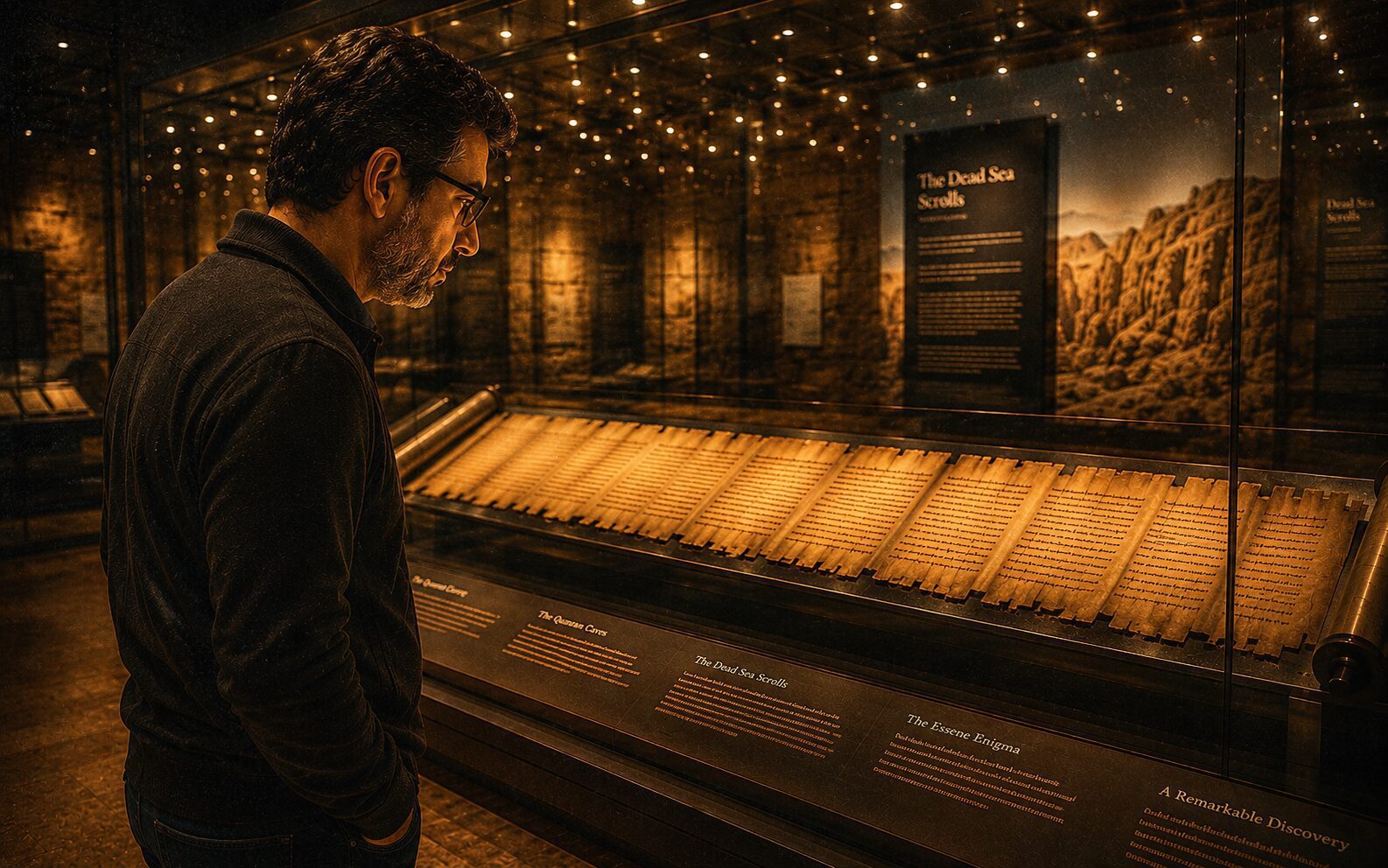
There are moments that stay with us not because they are loud or dramatic, but because they awaken something deeper than words can easily capture. My recent visit to Museum of the Bible in Washington, D.C., during Israel Advocacy Day was one of those moments. Before our event officially began, there was a brief window of time to visit the museum, and I knew almost immediately where I wanted to go. I made my way to the Dead Sea Scrolls exhibition, knowing I was about to stand before one of the most important archaeological witnesses to the trustworthiness of the biblical text and to the ancient Jewish connection to the land of Israel.
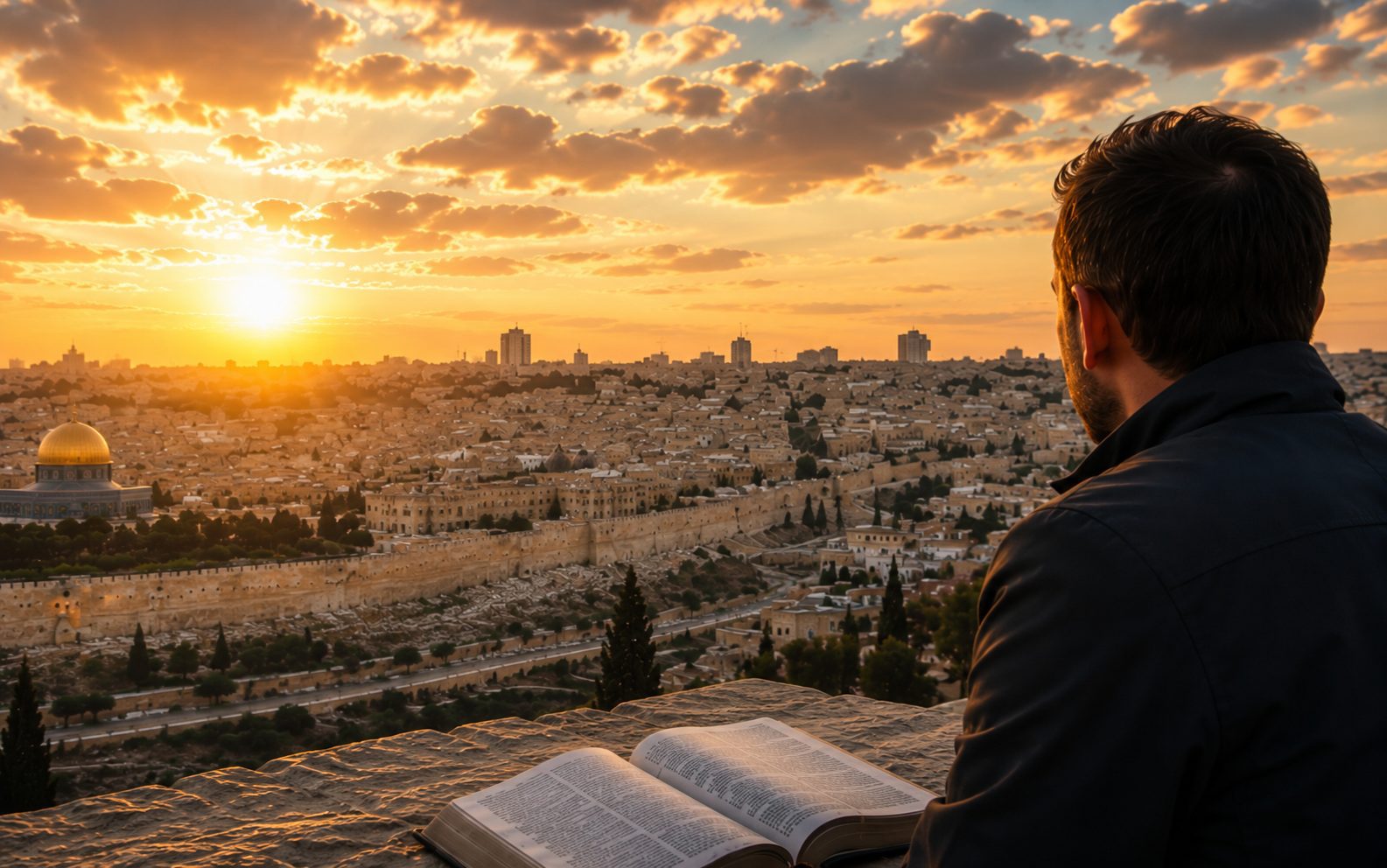
What made this visit so meaningful was that I was not approaching the Dead Sea Scrolls as a distant observer. Not long before this, prior to the present turmoil in the Middle East, I had the privilege of standing in Qumran itself, along the northwestern shore of the Dead Sea in the Judean Desert. I had seen the region where this discovery took place. I had looked across that stark and sacred landscape. I had stood in the silence of that place and reflected on the world in which these texts were hidden, preserved, and eventually brought to light. So, when I entered that exhibit in Washington, I was not simply stepping into a museum. In many ways, I was stepping back into a memory.
As I stood there looking at those scroll fragments, I was not merely looking at ancient pieces of writing behind glass. I was remembering the desert. I was remembering the stillness of Qumran, the dry air, the rugged beauty of the Judean wilderness, and the overwhelming sense that the Bible belongs to real history, real places, and real people. There was something deeply moving about seeing those scrolls after having stood in the land where their story unfolded. It felt as though the land itself was still speaking.
That is one reason these trips to Israel matter so much, especially for pastors and Christian leaders. They are not merely educational experiences, and they are certainly not just sightseeing opportunities. They are encounters that ground our faith in reality. They remind us that Scripture did not come to us in the abstract. The Bible came through a people, in a land, through history, through covenant, and through the providence of God.
The Dead Sea Scrolls matter because they strengthen our confidence in the preservation of Scripture. They do not give the Bible its authority, but they do provide powerful confirmation that the biblical text has been transmitted with remarkable faithfulness across the centuries. They also matter because they bear witness to the deep and ancient connection of the Jewish people to the land of Israel. These scrolls are not merely religious artifacts. They are historical testimony. As I stood there, I found myself wishing more pastors could experience what I felt in that room: gratitude, reverence, and renewed clarity about why Israel, the Jewish people, and the defense of Scripture still matter.